
The last two months have brought the most stability the markets have seen in years. The MOVE index, which measures implied volatility in U.S. Treasuries, has stayed under 100 for its longest streak in over three years. While this is a welcome sign for mortgage bonds, stability doesn’t equate to an absence of volatility, especially when the market has shown it’s eager to jump to conclusions that break the calm. Perhaps the last five years have conditioned traders to expect constant ups and downs, making tranquility itself a source of anxiety.

Historically, mortgage-backed securities (MBS) are impacted by both implied and realized long-term volatility. What’s unique about this year is that short-term volatility has been driving spreads in the MBS market. Despite volatility remaining low, mortgage spreads are still somewhat wide, suggesting that MBS remain cheap relative to value. As a result, we’ve seen a pickup in demand for MBS in new production coupons. If that trend continues, the combination of low volatility and rising demand will support tighter mortgage spreads, which would translate into slightly lower mortgage costs and rates in the near term.
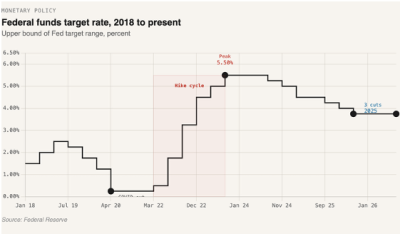
While falling volatility and renewed demand may help the mortgage market, what the Fed does is unlikely to move the needle. In the highly improbable event that Powell gets fired for building a $2.5 billion Palace of Versailles after posting no profits since 2022, mortgage rates probably wouldn’t budge. If anything, they might rise due to the perceived risk of longer-term uncertainty.
Outside of the Fed drama, the data doesn’t support much movement in rates either, with inflation sticking around longer than anyone had predicted. So far, tariffs haven’t made much of a dent in prices, and the Fed has been careful not to discount the possibility of renewed price pressures as more producers offload front-loaded inventory that was stocked in anticipation of tariff hikes. While the Fed chair is being referred to “Too Late”, the last time Powell was too late was in 2022 when it took the Fed nearly a year to raise rates to fight inflation.
This time around, Powell may manage to cut rates just in time to prevent a break without reigniting inflation. Even so, there’s not much he can do once his successor is named and short-term rates begin falling while long-term yields hold mostly steady. Powell is officially set to remain in the chair until May 2026, but his real influence is unlikely to stretch past this year. If he chooses to stick around as a governor for two more years, monetary policy might just become as entertaining as fiscal policy.
Leave a Reply