
We often use the terms “tightening” and “loosening” when it comes to monetary policy. The Fed’s dual mandate drives the FOMC’s decision when manipulating interest rates or engaging in quantitative tightening (QT) or quantitative easing (QE). Moving interest rates up or down is a pretty straight forward concept – but it has nothing to do with QT or QE.
There are the two tasks that the Fed is responsible for, called the dual mandate. Everything the Fed does revolves around these two things:
- Price stability (2% annual inflation)
- Low unemployment rate
To ensure the dual mandate is met/balanced the Fed has two main tools in its toolbox, which are part of monetary policy. Both tools can be used simultaneously or individually.
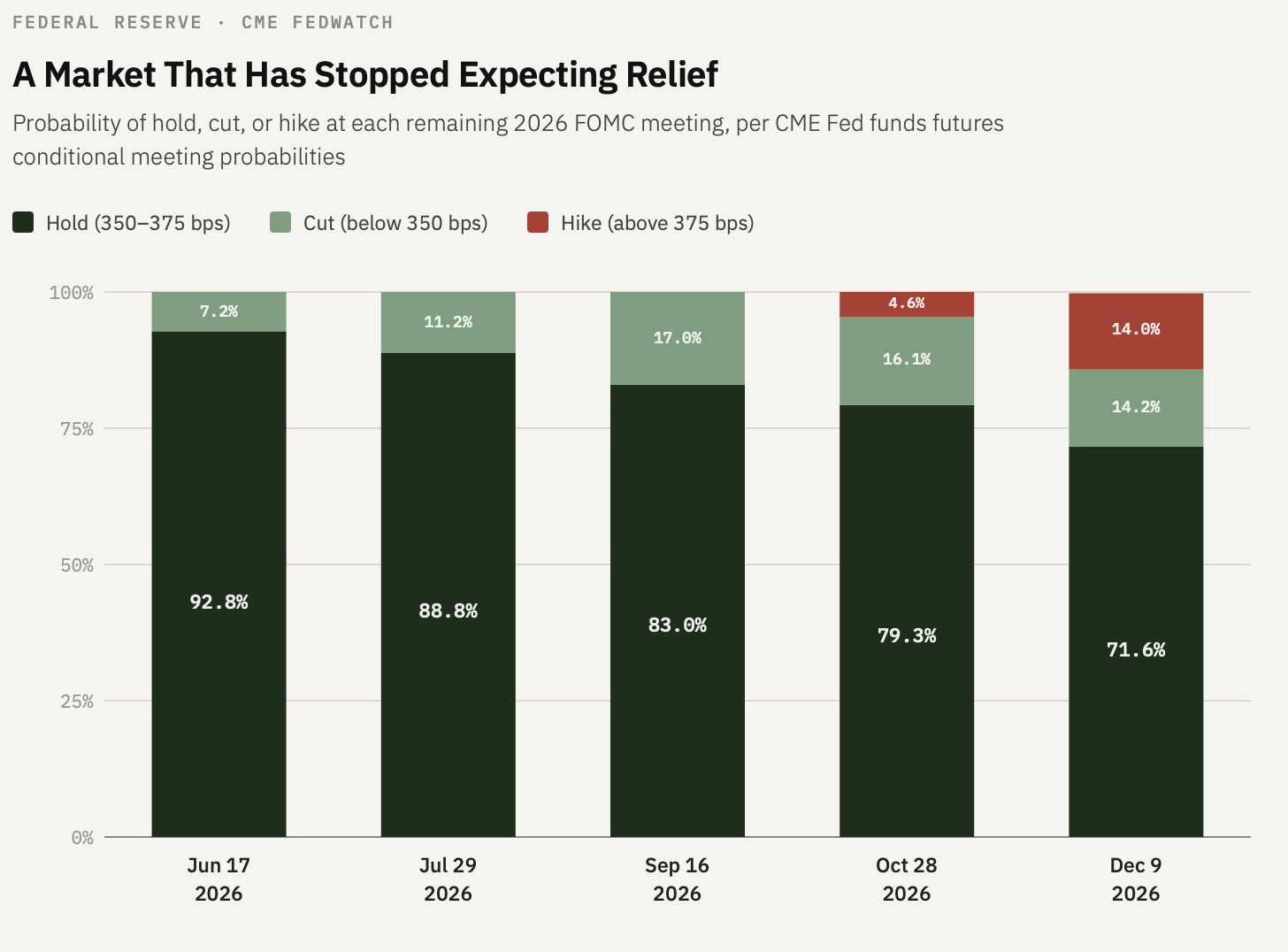
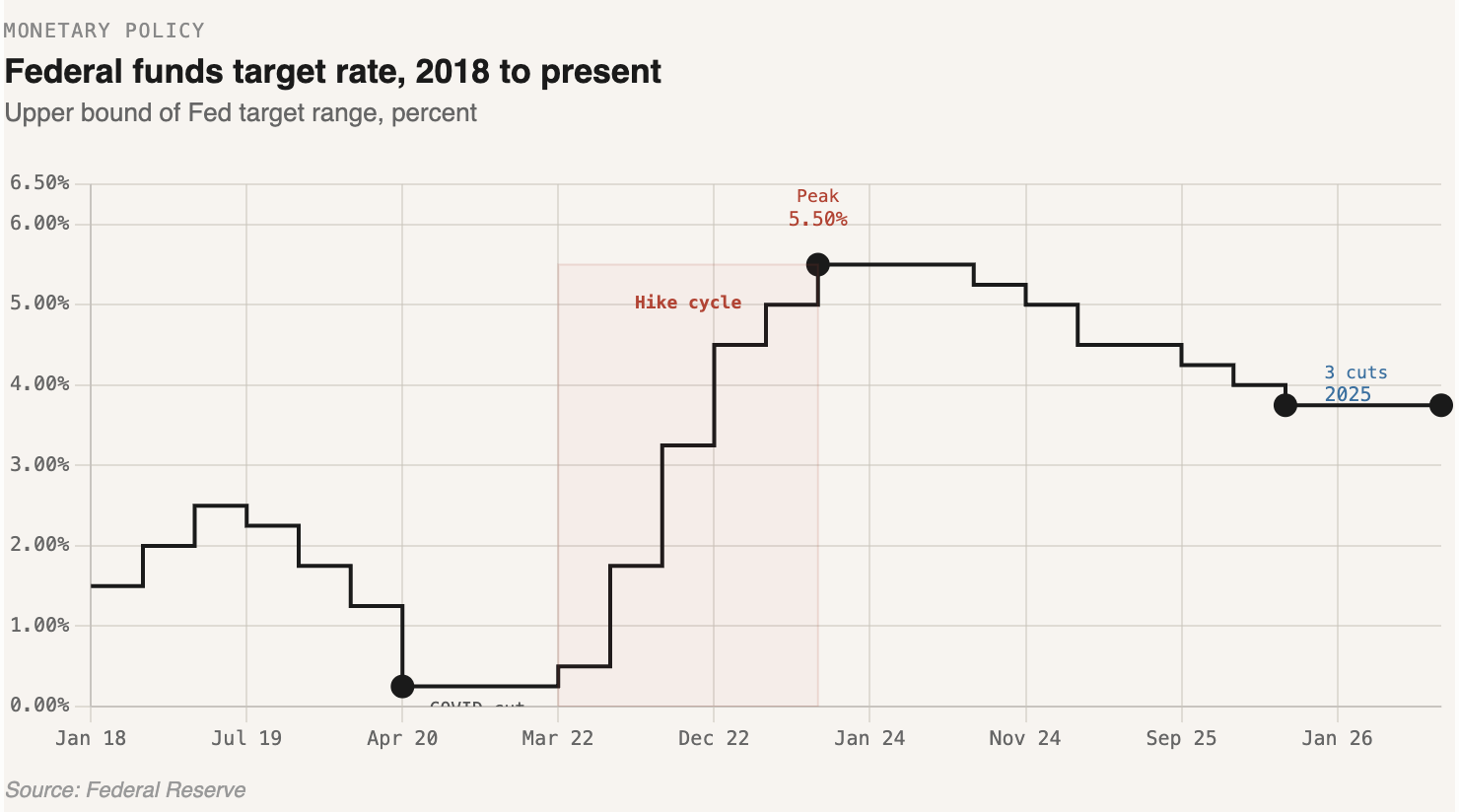
- Manipulating benchmark interest rates (Federal Funds Rate). This when the Fed decides to either hike, hold or cut interest rates.
- Quantitative Easing/Buying (QE) and Quantitative Tightening/Selling or Tapering (QT). The is when the Fed decides to either buy or sell financial assets such as US Treasury bonds or mortgage bonds (MBS).
The Fed has tweaked interest rates to keep inflation under control for many decades. But QE and QT are relatively new to monetary policy. For our example we will just focus on mortgage bonds (MBS) that the Fed has bought or got rid of over the years. The very first time the Fed started buying MBS was in 2009, in response to the Great Financial Crisis, with the goal of bringing liquidity back to the market that was under distress. For those that have been around the mortgage industry for a while, you may recall the 2013 taper tantrum – this was when the Fed started talking about slowing down its purchases of MBS that began in 2009 and the markets freaked out, pushing rates up, since this was a new concept at the time. The chart below shows that timeline and you can see how right before 2020, the Fed was actively trying to get rid of the MBS it holds.

Unfortunately for the Fed, the pandemic happened and the Central Bank has no choice but to engage in QE again, adding a lot more MBS and USTs to its balance sheet. For over two years now the Fed has been actively rolling off Treasuries and mortgage bonds, with the ultimate goal of only holding USTs. This will be a challenging tasks for the Fed as the mortgages it holds have very low rates, meaning they have slow prepayment, so they will take much longer to roll off.
What does all of this mean for the mortgage industry? The Fed does not want to be the main buyer of MBS and has been trying to exit this market for over a decade. This leaves excess MBS supply of new mortgages that have higher rates out in the market, which is why we haven’t had much liquidity in high coupons since the tightening cycle began. And less liquidity means more expensive rates.
Leave a Reply