
Higher rates aren’t going to feel the same with a normalized yield curve. In a good way.
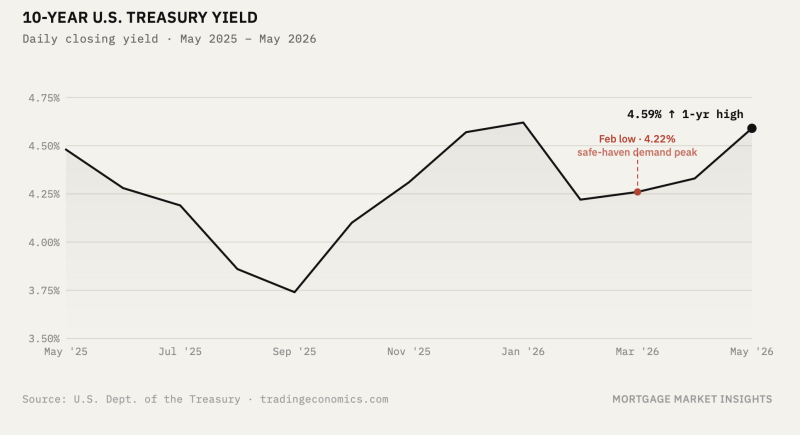
The recent run up in bond rates has been a topic of discussion, making many question if yields will rise to last year’s highs. Remember the risk premium drama from October 2023? Powell does, which why he made sure to state in his latest press conference that rates aren’t where they were last year. And the reasoning for why they’re moving up is not really due to inflation expectations, but due to expected growth, i.e. stronger economy.
“It appears that the moves are not
principally about higher inflation expectations, they’re really about a sense of more likely to have stronger growth.”– Jerome Powell
This was probably the most important takeaway from Powell’s presser because it explains why the yield curve has slowly been trying to get back to its normal shape. On the chart below, the current line represents where we are today across the curve. While the 10Y/2Y spread is now positive, the short end of the curve – anything 1M+ and lower than 2Y – still carries higher yields but it has come down more than the long end of the curve relative to last year. While we need the long end of the curve to be lower to have lower mortgage rates, we need the curve to normalize even more.

Under a normal curve, markets don’t have to play as many guessing games. They will know that short term investments pay less and long term investments pay more – how things should work. When we get to a normal curve, it may be at the expense of higher mortgage rates. But under a normal curve there will be actual buyers of higher mortgage rate loans, which means lenders will start seeing more liquidity in the secondary market. More liquidity = more options for loan officers to sell rates = more closings.
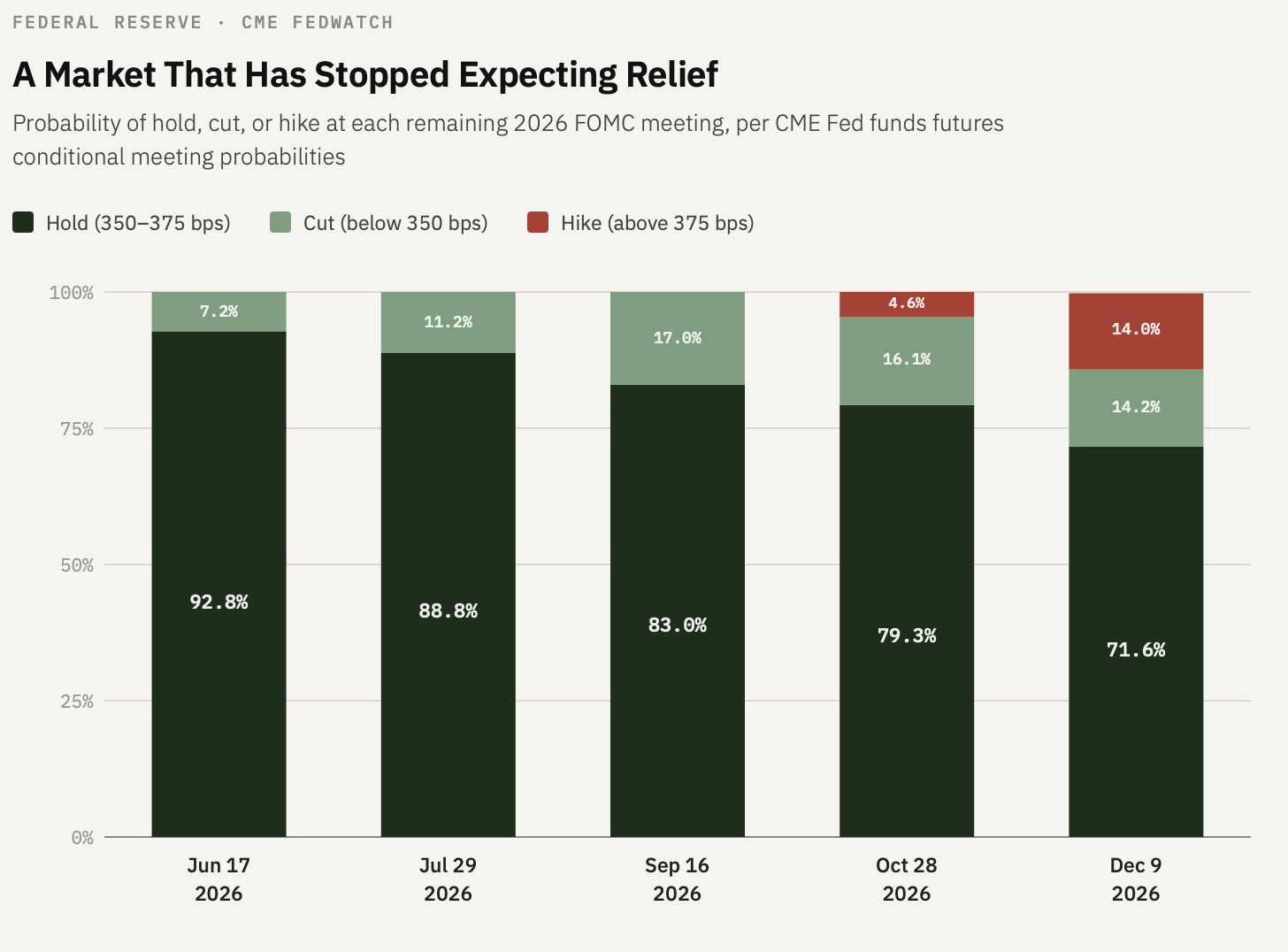
The shape of the yield curve matters. By now we have made some progress with steepening the curve, which should help us return to a healthier structure. A healthy curve is supposed to look like the “5 years ago” line on the chart. So, while we are on a better track this year when it comes to somewhat normalizing, we are still far from what a normal functioning market looks like. And until the curve continues to look like the one from last year or current, volatility and uncertainty will stick around, which means that when rates improve but the curve still looks wonky, the improvement won’t last very long. Recall the short-lived rate rally in September? Only to come back up to some of the highest levels of the year. So, the data-dependency will continue being the theme since the Fed’s forward guidance won’t come with much guidance until we have some clarity on what the fiscal picture will look like.
Leave a Reply